2009-09-08 01:10:11珍珠
推荐BERNARD CORNWELL版亞瑟王傳說

I am saddened actually that I finished reading Bernard Cornwell's Warlord Trilogy. The trilogy contains "The Winter King", "Enemy of God" and "Excalibur". I am sad because of the tale's inevitable ending, also there will be no more books about Arthur. Cornwell himself promised on his website: "Arthur is sleeping in Avalon, we should leave him in peace."
Cornwell makes the characters like Derfel (the narrator and Arthur's chief warrior and close friend), Arthur, Merlin, Nimue, Guinvere, Lancelot and Galahad etc...come to life. Reading his books is like being transported back in time; back in the late 5th century Britain, where you experience a world of woodland, and life of hard-working, lice-ridden people. Arthur is portraied as a strong, determined leader with his own human faults. We see his struggles and triumphs; his joy and misery, all through the eyes of his closest friend Derfel Cadern.
The conversations of the characters are well-written. They speak naturally, often with humor. I particularly enjoyed the talks between Merlin and Derfel; they are humorous (Merlin is, that is)and full of wisdom. I will certainly reread the trilogy again and again. These 3 books are now my favorite books and Bernard Cornwell has become my favorite writer!

A Druid. Merlin is a Druid: "A druid was a member of the priestly and learned class active in Gaul, and perhaps in Celtic culture more generally, during the final centuries BCE. They were suppressed by the Roman governmentfrom the 1st century CE and disappeared from the written record by the2nd century, although there may have been later survivals in Britain and Ireland, since druids feature prominently in Irish mythology.
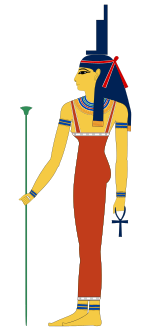
In the story, Guienvere worships the foreign Goddess Isis.

Mithras is warriors' God. Derfel and his fellow brave warriors worships him.
"The Mithraic Mysteries or Mysteries of Mithras (also Mithraism) was a mystery religion which became popular among the military in the Roman Empire, from the 1st to 4th centuries AD. (Wiki)
下一篇:Stonehenge 巨石陣